
The Future of Warehouse Automation
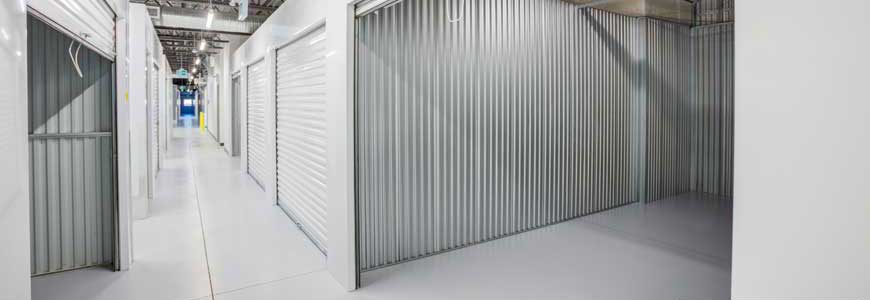
The future of warehouse automation holds great promise for transforming the way warehouses operate, increasing efficiency, and optimizing productivity. In this blog, we will explore the latest trends and predictions in warehouse automation, giving businesses insights into what lies ahead and how they can prepare for the future.
Robotics and Autonomous Systems:
- Collaborative Robots (Cobots): The use of cobots alongside human workers, assisting with repetitive tasks and enhancing productivity while ensuring safety.
- Autonomous Mobile Robots (AMRs): AMRs navigate autonomously within the warehouse, performing tasks such as picking, packing, and transportation.
- Automated Guided Vehicles (AGVs): AGVs are widely used for material handling, moving goods efficiently and reducing reliance on manual labor.
- Predictive Analytics: AI and machine learning algorithms can analyze vast amounts of data to make accurate predictions about demand, inventory levels, and optimize warehouse operations.
- Intelligent Routing and Optimization: AI-powered systems can optimize routes for picking, packing, and shipping, reducing travel time and improving order fulfillment efficiency.
- Quality Control and Inspection: AI-based vision systems can automate quality control processes, identifying defects or errors in real-time, improving accuracy and reducing rework.
- Connected Warehouse: IoT sensors and devices can enable real-time tracking of inventory, monitor environmental conditions, and provide actionable insights for efficient warehouse management.
- Warehouse Integration: IoT devices can integrate with other systems such as inventory management and transportation, creating a seamless flow of information and improving overall supply chain visibility.
- Cloud-Based WMS: Cloud-based solutions offer scalability, accessibility, and real-time data updates, allowing businesses to manage and monitor warehouse operations remotely.
- Data Analytics and Reporting: WMS systems can provide detailed analytics and reporting capabilities, enabling data-driven decision-making for continuous process improvement.
- Energy Efficiency: Warehouse automation can lead to energy savings through optimized operations, smart lighting systems, and energy-efficient equipment.
- Green Packaging and Waste Reduction: Automation can help minimize packaging waste, optimize packaging materials, and facilitate recycling initiatives.
Artificial Intelligence (AI) and Machine Learning:
Internet of Things (IoT) and Connectivity:
Cloud Computing and Warehouse Management Systems (WMS):
Sustainability and Green Warehousing:
Related Blogs
The Benefits of Climate-Controlled Storage
Climate-controlled storage refers to the practice of storing products within a specific temperature range to ensure that they remain in optimal condition. This type of storage is particularly important for temperature-sensitive products, such as pharmaceuticals, food, and electronics, which can be damaged by exposure to extreme temperatures.
Read More
THE IMPORTANCE OF WAREHOUSE SECURITY
Last-mile delivery, the final leg of the delivery process from a distribution center to the end customer's doorstep, has become increasingly crucial in the e-commerce era. In this blog, we will explore the latest trends in last-mile delivery, the challenges that arise, and the innovative solutions that address them.
Read More
Trends in Last-Mile Delivery: Challenges and Solutions
Our cargo service provides reliable and cost-effective transportation of goods, whether by air, sea, or ground. We offer a range of cargo transportation options to meet your specific needs, including express delivery, full-container load (FCL), less-than-container load (LCL), and intermodal transportation.
Read More